
Benefits of Hands-on Career Exploration
Hands-on work exploration helps students discover potential career paths and develop skills that support employment during and after high school and beyond.
Students benefit from opportunities to learn about different work environments and identify personal strengths and interests.
Common career exploration activities include job shadowing, workplace visits, guest speakers from local industries, career interest assessments, and hands-on job tasks.
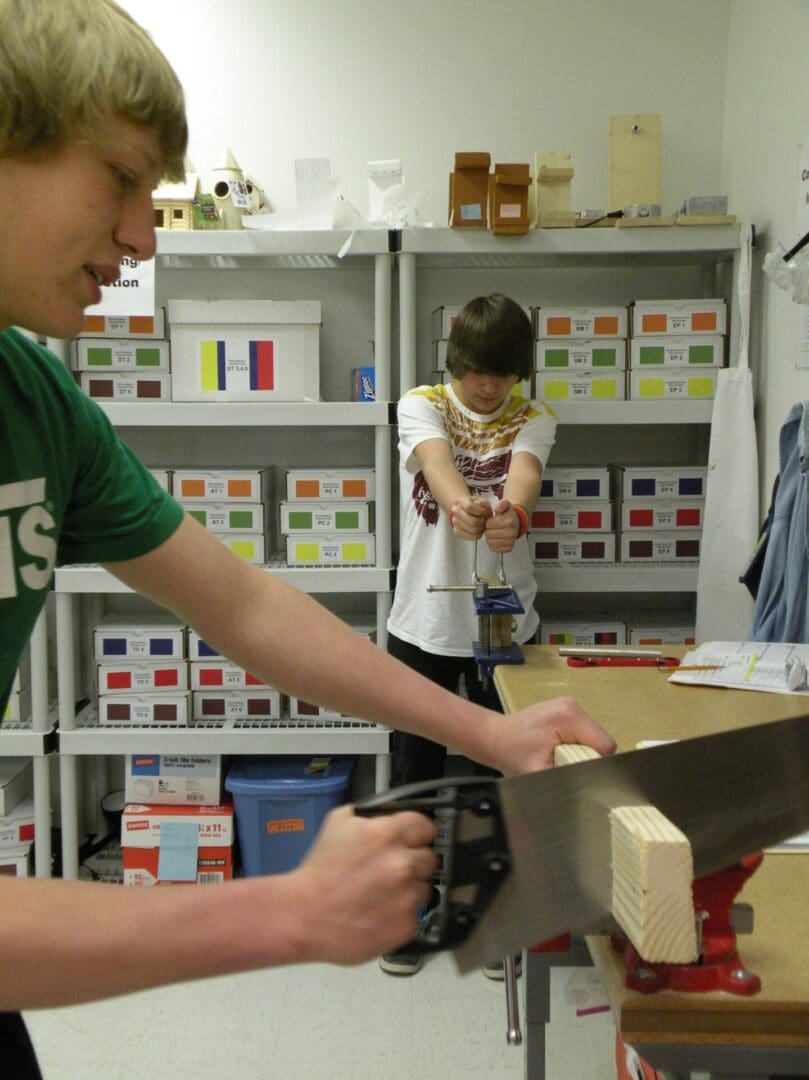
Hands-on work experiences are particularly valuable for many learners. Programs such as PAES Lab allows students to rotate through various work areas and complete real hands-on jobs that represent various generalizable skills used throughout entry level work. PAES provides a performance based assessment of employability for each student.
Hand-on and portable curriculum programs such as Project Discovery guide students through exploration activities that help them understand different career areas and identify their strengths. Pre-made evidence-based adapted materials are available for students who need it.
Transition programs often combine career exploration with life skills instruction. Programs such as Achieve Life Skills help students develop communication, decision making, and personal responsibility while preparing for adult life.
When transition and work development programs provide strong career exploration opportunities, students gain confidence and develop clearer goals for their own future employment.